
25+
Years of Experience
Teaching Sanskrit pronunciation, music and guided practice.
Learn Sanskrit Stotras, Mantras and Shlokas with correct pronunciation, rhythm, meaning and musical guidance under the mentorship of Poonam Patil.
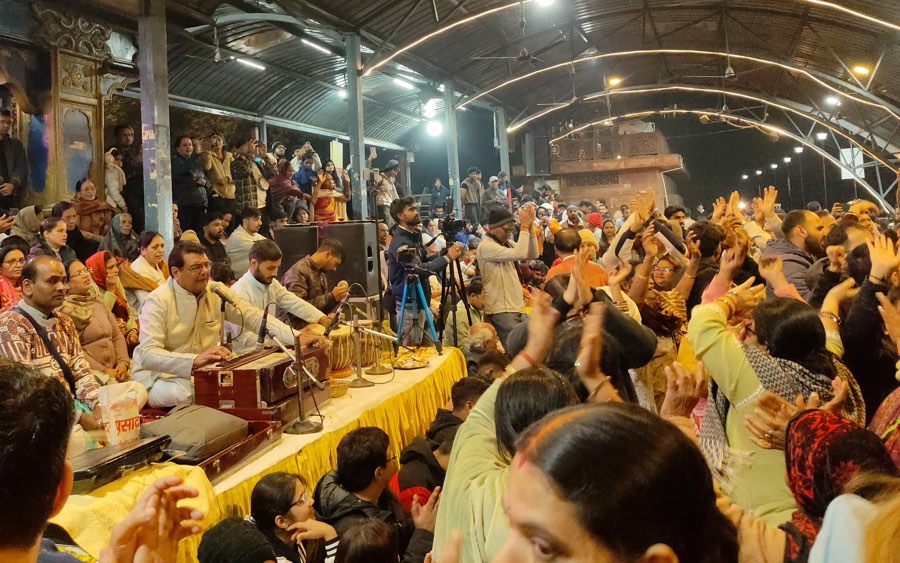

ॐ सह नाववतु । सह नौ भुनक्तु ।
Mantra recitation · 4 min
Sanskrit • Music • Spirituality
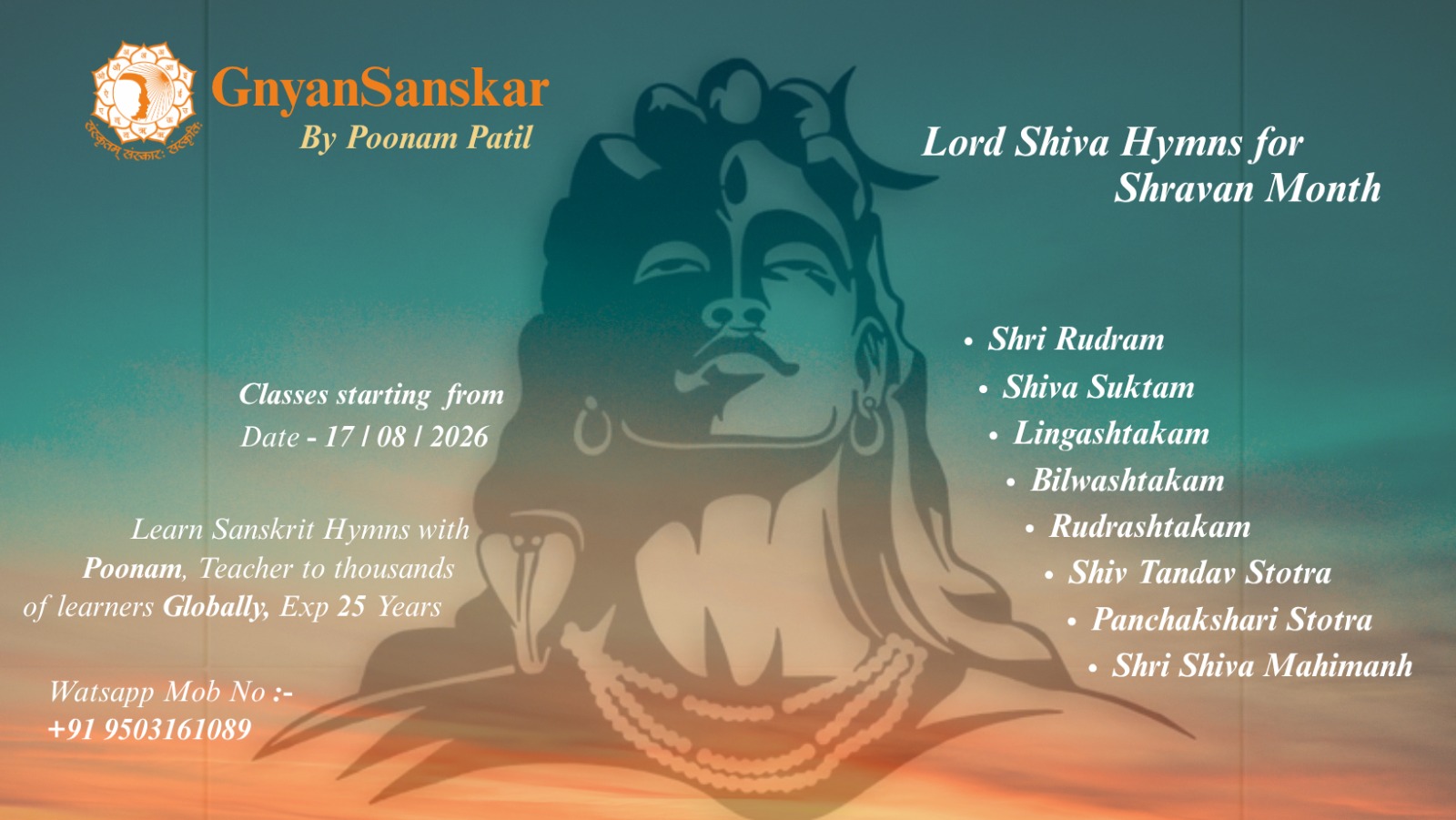
A seasonal course through the Shiva hymns most recited during Shravan — taught live and online, with the pronunciation worked at line by line.
Hymns covered
25+
Teaching Sanskrit pronunciation, music and guided practice.
1000+
Adults and children taught in classrooms, gatherings and online.
India & Abroad
Online classes reaching students across time zones.
11
Sanskrit, scripture, yoga, speech practice and music.
Poonam Patil brings together the precision of Sanskrit pronunciation, the harmony of devotional music and the stillness of spiritual practice. Her teaching helps learners understand not only how to recite Stotras and Mantras, but also how to experience their rhythm, meaning and spiritual depth.

Where each sound is formed, how long it is held, and the differences that carry meaning — worked at syllable by syllable.

Melody, metre and phrasing taught by a professional vocalist, so a verse is carried by its music rather than recited flat.

The text itself: what it says, where it comes from, and the occasion it belongs to — explained before it is recited.
Steady, unhurried repetition with corrections given personally, so what is learned in class holds up at home.
Most people arrive already reciting something — a Shloka learned from a grandparent, a Stotra half-remembered from childhood. What changes here is the attention given to each sound: where it is formed, how long it is held, and what it means. Recitation becomes less hurried, and a good deal more settled.
Four strands run through all the teaching. They are not separate subjects — each one supports the others, and a class usually touches all four.
Each syllable given its correct place of articulation, and the sense of the line understood — so a verse is recited rather than only repeated.
Melody, metre and phrasing drawn from years as a vocalist — recitation carried by its music rather than recited flat.
The context a verse comes from: the story behind it, the occasion it belongs to, and the tradition that carried it here.
Steady, unhurried repetition — Stotras and Mantras held in a daily practice, and the stillness that attentive recitation may bring with it.
Every course is taught live and online, through individual sessions or small groups, allowing each learner to receive personal guidance and correction.
Thirteen Stotras and Mantras to Shiva, from the Vedic Śrī Rudram to short daily verses like Liṅgāṣṭakam.
Fourteen texts to the Devi — from the seven hundred verses of Durgā Saptaśatī to the Vedic Śrī Sūkta and Medhā Sūkta.
The Viṣṇu Sahasranāma at its centre, with Rāmarakṣā, the Sūrya recitations, the Vedic Sūktas and the daily Viṣṇu mantras taught around it.
The Gītā taken chapter by chapter — each verse heard, placed syllable by syllable, then brought to its metre, with the meaning explained before it is recited.
The Gaṇapati Atharvaśīrṣa and the Stotras and Mantras recited to Gaṇeśa before anything is begun.
Hanumān Chālīsā, Bajrang Bāṇ, the Marathi Māruti Stotra, and the Sundara Kāṇḍa in full or in parts.
The short verses that mark the ordinary parts of a day — waking, bathing, eating, and the close of worship.
Āsana, prāṇāyāma and stillness taught live and online by a certified yoga teacher, at an unhurried pace and with the same attention to breath that runs through the recitation classes.
Sanskrit recitation used as structured speech practice — syllable articulation, breath and rhythm, at an unhurried pace.
Brochures for what is coming up, and recordings of sessions already held.
A guided yoga course taught live and online, with the same attention to breath and steadiness that runs through the recitation classes. Individual sessions and small groups.
Sanskrit recitation used as structured speech practice — syllable articulation, breath and rhythm, at a pace the learner sets. One to one, or a very small group.
Recitation of the Gītā with attention to metre and pronunciation, recorded so learners can revisit the pace and the phrasing between classes.
Bhajans and Stotras sung with learners and their families, led from the harmonium — recordings of evenings of devotional music.
Recording to be added
Sanskrit distinguishes sounds that are easy to let slide — a long vowel from a short one, an aspirated consonant from an unaspirated one, a retroflex from a dental. These differences carry meaning. Observing them is what turns repetition into recitation.
Regular chanting may support concentration, calmness, discipline and a deeper sense of spiritual connection. These are experiences learners commonly describe — they are not medical claims, and nothing taught here is offered as a treatment for any condition.
Hover, focus or tap to animate
वाक् शुद्धिः मनः स्थिरम्
Clear speech, a steady mind
25+
Years
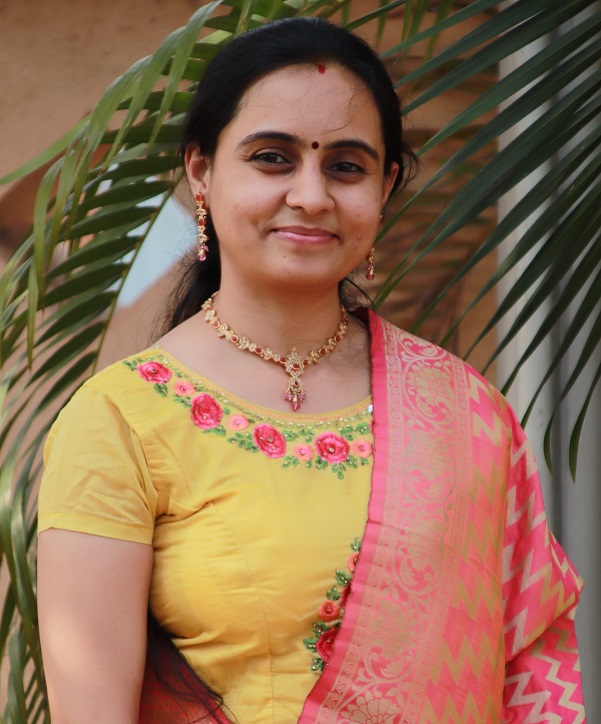
For more than twenty-five years, Poonam Patil has taught Sanskrit Stotras, Mantras and Shlokas with a steady focus on how they are sounded — each syllable placed correctly, each line carrying its rhythm, and the meaning understood rather than only repeated.
Classes run live over video, so where a learner lives makes little difference — batches are arranged around time zones rather than borders.
 India
India United States
 United Kingdom
 Canada
 Australia
 New Zealand
 United Arab Emirates
 Singapore
 Japan
Japan Hong Kong
 Germany
 Austria
 Switzerland
 Netherlands
 Italy
Italy Norway
 France
 Spain
Spain Russia
 Mexico
 Brazil
 Ghana
GhanaNew York · New Jersey · Philadelphia · Washington DC · Chicago · Texas · Colorado · California · Los Angeles · Oakland · Alaska · Melbourne · Sydney · Queensland · Barcelona
Feedback from learners about their experience of the classes.
Short videos recorded by learners about what changed in their recitation, and what the classes are actually like.
Join Poonam Patil’s live online classes — for adults and children, individually or in small groups — and study through accurate pronunciation, meaningful understanding, musical guidance and steady practice.